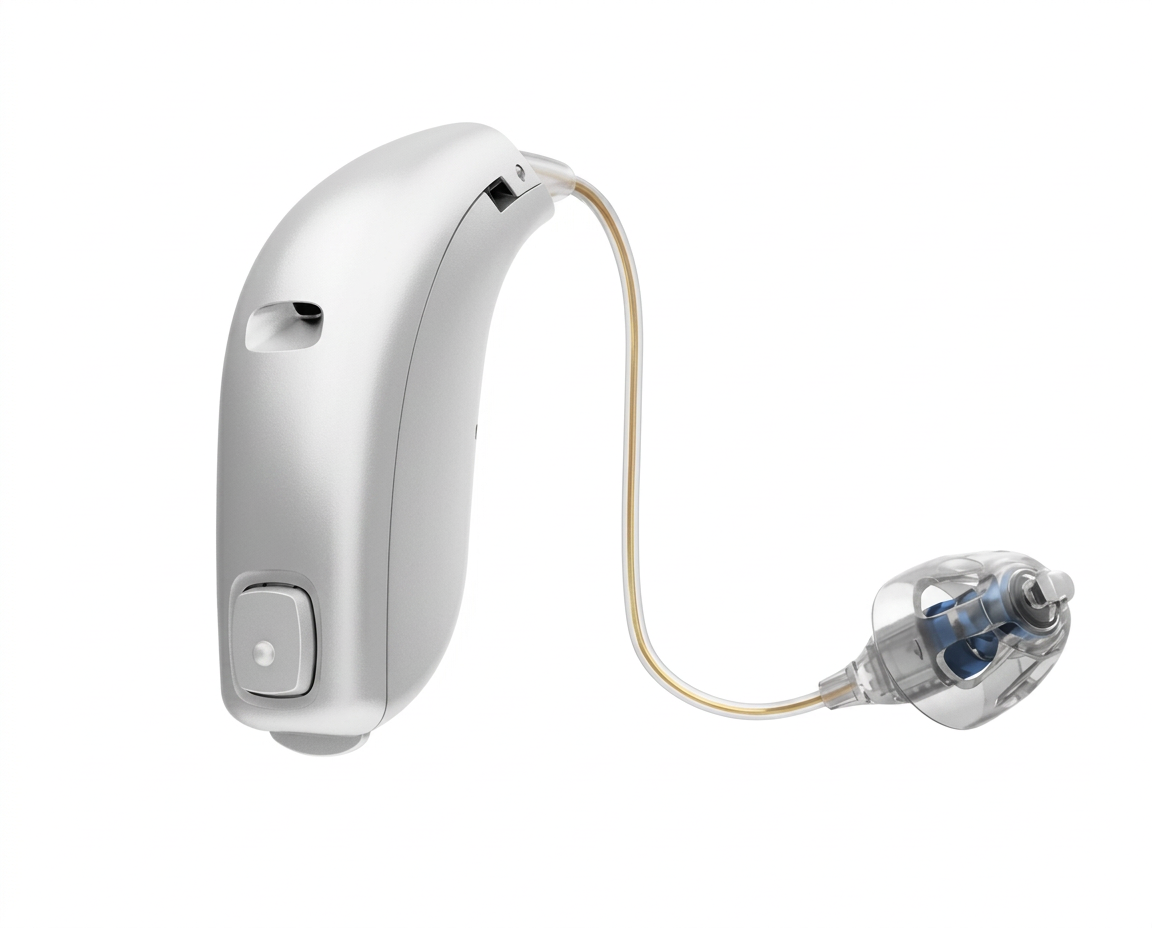
Receiver-in-Canal (RIC)
The most commonly fit style today. A slim case sits behind the ear with a thin wire carrying the speaker into the canal, giving discreet cosmetics with plenty of power and features.
Board Certified Neurotologic & Audiologic Care Since 1993
Hearing Aids
Hearing aids come in a range of shapes and sizes. Your hearing levels, ear anatomy, dexterity and daily listening needs all guide which style will serve you best — here's how they compare.
The most commonly fit style today. A slim case sits behind the ear with a thin wire carrying the speaker into the canal, giving discreet cosmetics with plenty of power and features.
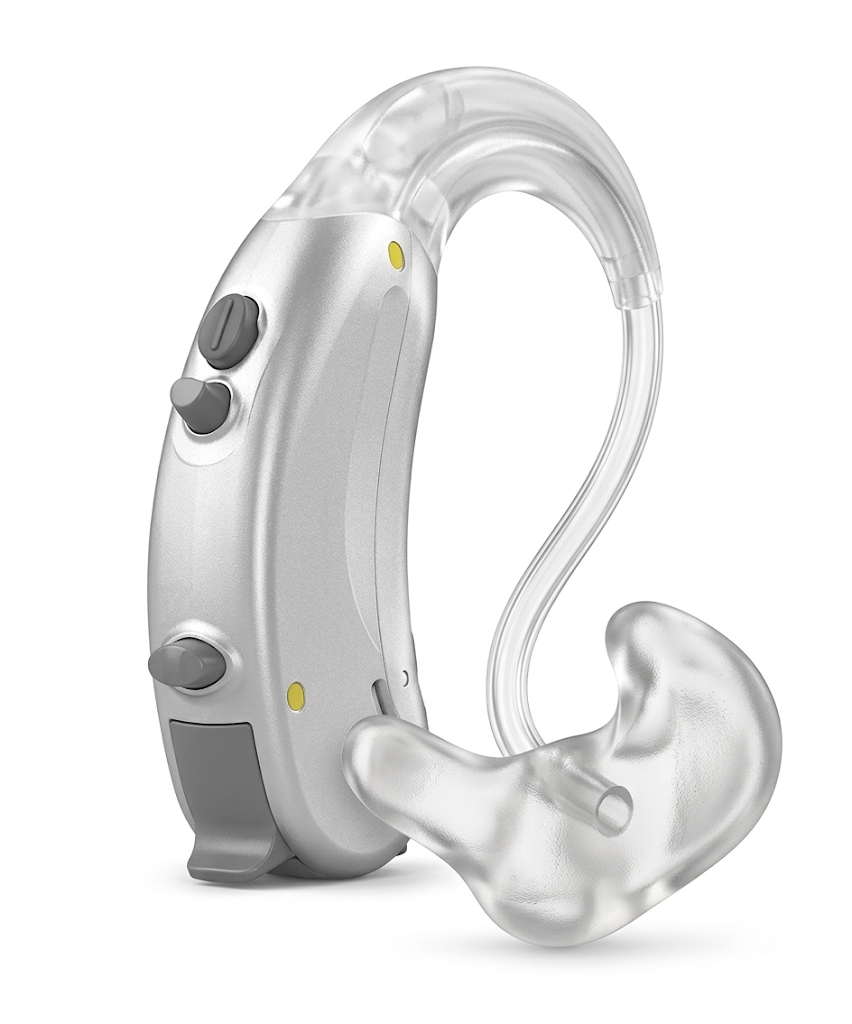
All electronics sit in a case behind the ear, coupled to a custom earmold or tube. Durable, easy to handle and the best choice for more significant hearing loss.
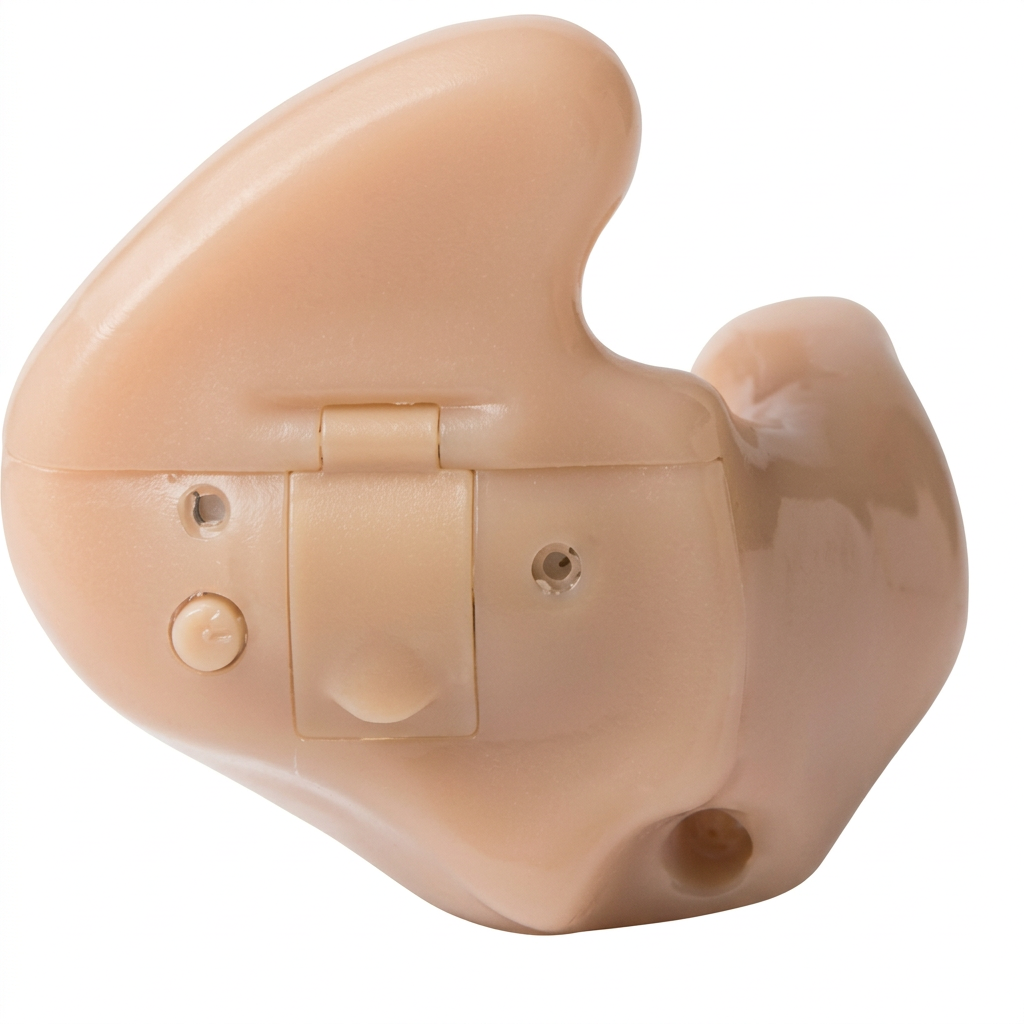
A custom shell fills the outer bowl of the ear. Larger controls and batteries make it a practical option when dexterity or vision makes tiny devices difficult. These are also called full shell hearing aids.
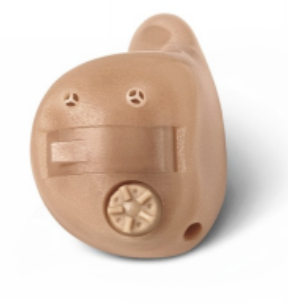
Custom made to sit mostly within the canal opening. A good balance of discretion, comfortable handling and room for directional microphones.
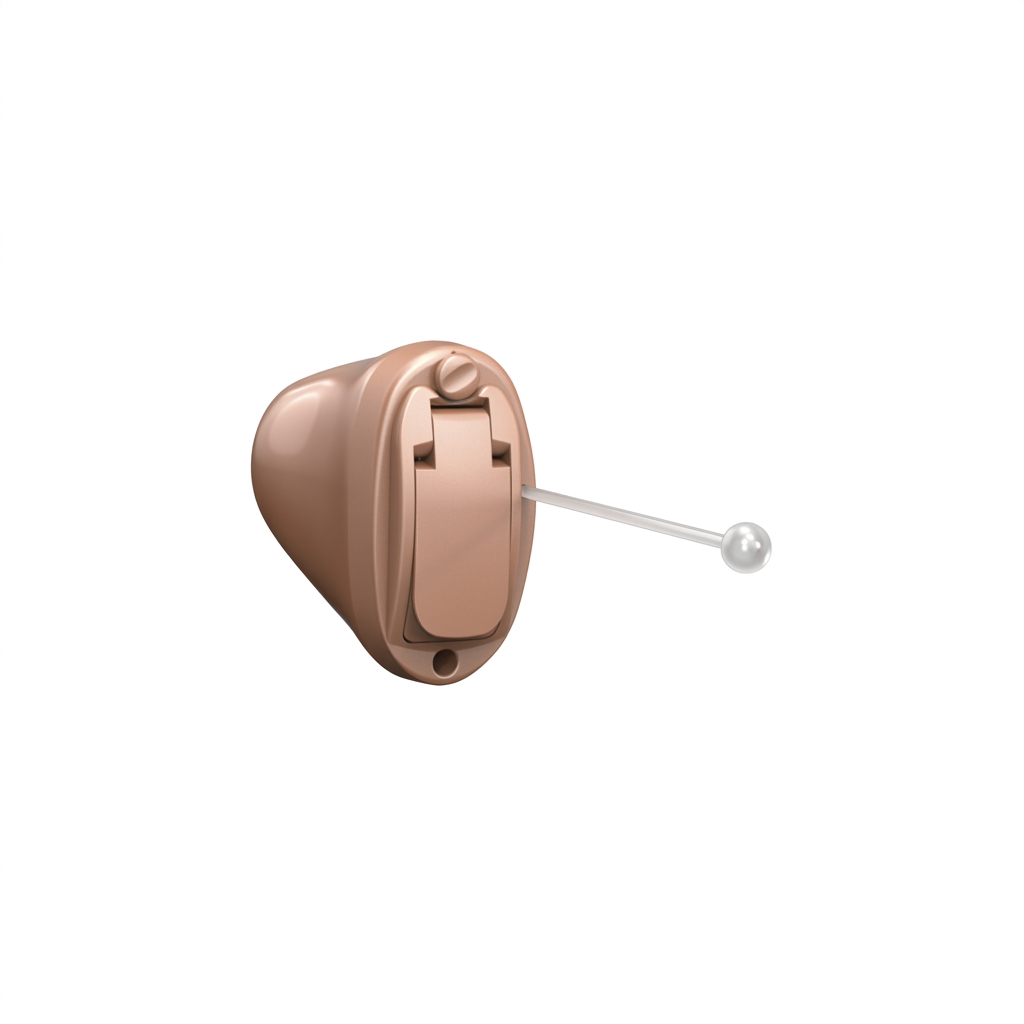
Seated deeper in the canal for a much less visible fit. Best suited to mild through moderate hearing loss where cosmetics are a priority.
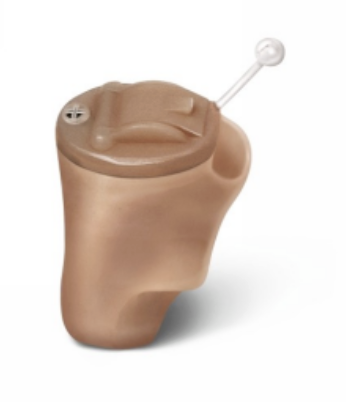
The smallest custom style, placed deep enough to be essentially invisible in everyday conversation. Candidacy depends on canal size and shape.
Contact us today to schedule your appointment or learn more about how we can help with your ear and hearing needs.